
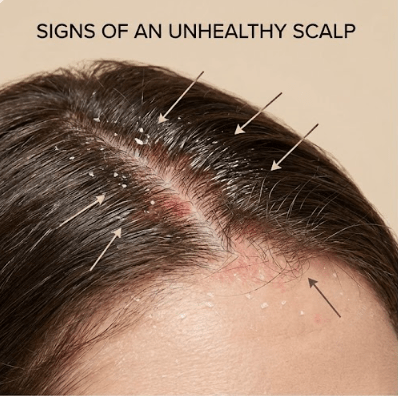
Healthy hair starts at the scalp. When your scalp is out of balance, no amount of styling or conditioning can fully fix the problem. Many people ignore early warning signs, assuming dryness, flakes, or itching are “normal.” They’re not.
Here are the key signs your scalp needs treatment—and why acting early matters.
1. Persistent Itching
Occasional itchiness is normal, but constant itching is not.
Possible causes:
-
Dry scalp
-
Product build up
-
Scalp inflammation
-
Fungal or bacterial imbalance
If scratching feels constant or uncomfortable, your scalp needs targeted care.
2. Flakes That Don’t Go Away
Flakes aren’t always dandruff.
Different flakes mean different issues:
-
White, dry flakes → dehydration
-
Yellow, oily flakes → excess oil or dandruff
-
Large, sticky flakes → product build up
Recurring flakes signal an unhealthy scalp environment.
3. Excessive Oiliness
If your scalp gets greasy within a day:
-
Oil production may be overactive
-
Pores could be clogged
-
You may be over washing or using harsh shampoos
An oily scalp still needs treatment—not stripping.
4. Redness or Sensitivity
Red, irritated scalp skin can indicate:
-
Chemical sensitivity
-
Allergic reactions
-
Inflammation
-
Overuse of harsh products
Burning or stinging sensations are warning signs you shouldn’t ignore.
5. Hair Shedding or Thinning
Some shedding is normal, but sudden or excessive hair fall can be scalp-related.
Common scalp causes:
-
Blocked follicles
-
Poor circulation
-
Inflammation
-
Build up suffocating hair roots
Healthy follicles are essential for strong growth.
6. Slow Hair Growth
When hair seems stuck at the same length:
-
Follicles may be clogged
-
Scalp may lack oxygen and nutrients
-
Growth cycle could be disrupted
A treated scalp creates the right environment for growth.
How to Treat an Unhealthy Scalp
Start With a Scalp Detox
-
Use a clarifying or exfoliating scalp treatment
-
Remove build up gently
Moisturize the Scalp
-
Use lightweight scalp serums or oils
-
Avoid heavy greases that clog pores
Choose the Right Shampoo
-
Sulfate-free for dryness or sensitivity
-
Medicated if dandruff is present
Massage Regularly
-
Boosts circulation
-
Helps treatments absorb better
When to See a Professional
Consult a dermatologist if you experience:
-
Severe redness
-
Painful sores
-
Sudden hair loss
-
Persistent scalp issues despite treatment
Final Thoughts
Your scalp sends signals long before hair problems appear. Itching, flakes, oil imbalance, shedding, and build up are signs your scalp needs attention—not cover-ups.
Treat your scalp like skincare, not an afterthought, and healthier hair will follow.