
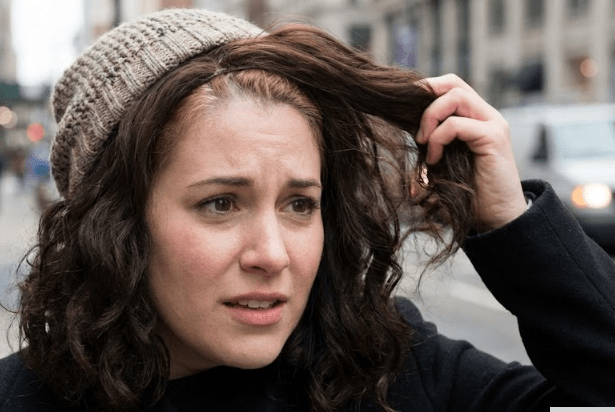
A wig that keeps slipping back can ruin your confidence and your look. Whether it’s sliding off your hairline or shifting throughout the day, the problem usually comes down to fit, grip, or prep—not the wig itself.
Here’s how to fix a slipping wig and keep it secure all day.
Why Wigs Slip Back
Before fixing the problem, it helps to know why it’s happening.
Common causes include:
-
Wrong wig size
-
Smooth or oily scalp
-
Loose adjustable straps
-
No wig grip or cap
-
Heavy or long wig styles
-
Low-quality or stretched wig caps
1. Adjust the Wig Straps Correctly
Most wigs have adjustable straps inside the cap.
How to do it:
-
Put the wig on properly
-
Tighten straps evenly on both sides
-
Make sure it feels snug, not tight
Over-tightening can cause headaches and still won’t stop slipping.
2. Use a Wig Grip Band
A wig grip is one of the most effective solutions.
Why it works:
-
Creates friction against the scalp
-
Prevents backward movement
-
Works without glue or clips
Wear it just behind your natural hairline for best hold.
3. Choose the Right Wig Cap
Wig caps add grip and structure.
Best options:
-
Velvet wig caps (extra grip)
-
Nylon caps for lightweight hold
Avoid caps that are too loose or silky—they increase slipping.
4. Prep Your Scalp Properly
An oily scalp causes wigs to slide.
Before wearing:
-
Clean your scalp
-
Avoid heavy oils or creams near the hairline
-
Let skin dry fully
A clean, dry base improves grip.
5. Secure the Hairline with Elastic Band Method
An internal elastic band sewn inside the wig helps anchor it.
Benefits:
-
Keeps wig snug at the front
-
Prevents sliding without glue
-
Comfortable for daily wear
Many glueless wigs come with this feature built in.
6. Avoid Placing the Wig Too Far Back
A common mistake is positioning the wig behind the natural hairline.
Correct placement:
-
Align lace with your natural hairline
-
Ensure ear tabs sit evenly
-
Check symmetry in the mirror
Proper placement prevents backward movement.
7. Switch to a Better-Fitting Wig Style
Some wigs slip more than others.
More secure styles:
-
Straight or layered wigs
Very long or heavy wigs need extra support.
8. Replace Stretched Wig Caps
Over time, wig caps lose elasticity.
Signs it’s time to replace:
-
Wig feels loose even when tightened
-
Cap shifts easily
-
Straps don’t hold
A worn-out cap won’t stay in place.
Quick Fix Checklist
✔ Adjustable straps tightened
✔ Wig grip or velvet band
✔ Clean, dry scalp
✔ Proper placement
✔ Elastic band support
Final Thoughts
A slipping wig isn’t a styling failure—it’s a fit issue. With the right grip tools, scalp prep, and wig placement, your wig can stay secure, natural, and comfortable all day.
A secure wig starts from the inside.