
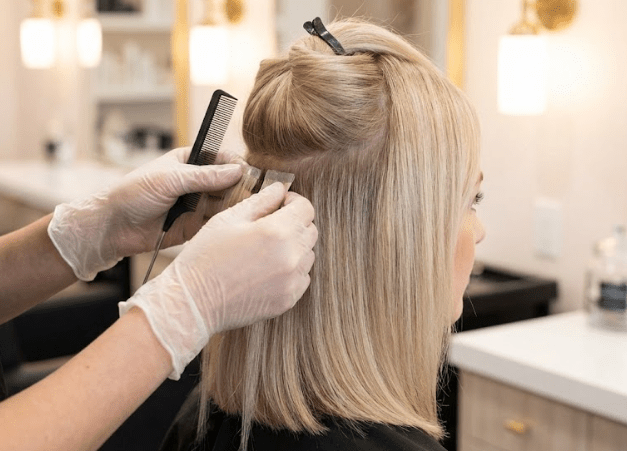
Tape-in extensions are one of the most popular methods for adding instant length and volume — but if you have thin or fine hair, you’ve probably wondered whether they’re actually safe. The good news? Tape-ins can be safe for thin hair, as long as they’re installed properly and maintained with care.
Here’s everything you need to know before booking your appointment or applying tape-ins at home.
✔ Yes, Tape-In Extensions Can Be Safe for Thin Hair — With Proper Application
Tape-ins are actually one of the best extension types for thin hair because they are:
-
Lightweight
-
Flat and discreet
-
Easy on the natural hair when applied correctly
-
Suitable for adding volume without heavy tension
However, they can also cause breakage if not installed properly. So the key is working with a stylist who understands thin or fine hair.
Benefits of Tape-In Extensions for Thin Hair
1. They’re Lightweight and Gentle
Tape-ins lie flat and do not pull the roots the way clip-ins, fusion, or sew-ins sometimes do.
This makes them a great option for:
-
Fine hair
-
Thin edges
-
Delicate hairlines
2. They Blend Easily
Because the tapes are thin and flexible, they blend well into hair that lacks density. This gives you a fuller, natural look without visible tracks or bulk.
3. They Add Instant Volume
Even if you don’t want extra length, tape-ins can boost thin hair by adding:
-
Body
-
Bounce
-
Thickness at the ends
-
More styling possibilities
4. They’re Reusable
The same tape-ins can be moved up every 6–8 weeks, meaning you don’t have to constantly replace them.
Risks to Be Aware Of
Tape-ins are safe when done right, but here’s where things go wrong:
1. Wrong Placement
If the extensions are placed:
-
Too close to your scalp
-
On too little hair
-
At the hairline or weak areas
…they can tug and cause breakage.
2. Heavy Tape-Ins
Some brands are too dense or heavy for thin hair. Always choose lightweight, fine-width tape-ins made specifically for thin or fine strands.
3. Improper Removal
Removing tape-ins without the right solvent can:
-
Pull out your natural hair
-
Cause matting
-
Leave residue that leads to breakage
This step should never be rushed.
4. Using Oil-Based Products
Applying oils or silicone-based serums near the roots can cause the tapes to slip and take your natural hair with them.
How to Wear Tape-Ins Safely with Thin Hair
✔ Go to a stylist experienced in thin hair
Placement matters more than anything.
✔ Opt for single-sided tape for extra-fine hair
It reduces weight and tension.
✔ Avoid placing them too close to the front hairline
These areas are more fragile.
✔ Use lightweight tapes designed for fine hair
No heavy wefts.
✔ Stick to root-safe products only
Use sulfate-free, extension-safe shampoo and avoid oils near the bonds.
✔ Keep up with maintenance
Move-up appointments every 6–8 weeks prevent matting and tangling.
So… Are Tape-In Extensions Safe for Thin Hair?
Yes — they’re one of the best options for thin or fine hair, as long as you use the right brand, the correct placement technique, and the proper aftercare routine.
They’re lightweight, discreet, and capable of transforming thin hair into a fuller, more confident look.